Why African Teak Wood Is Popular in the Construction Industry

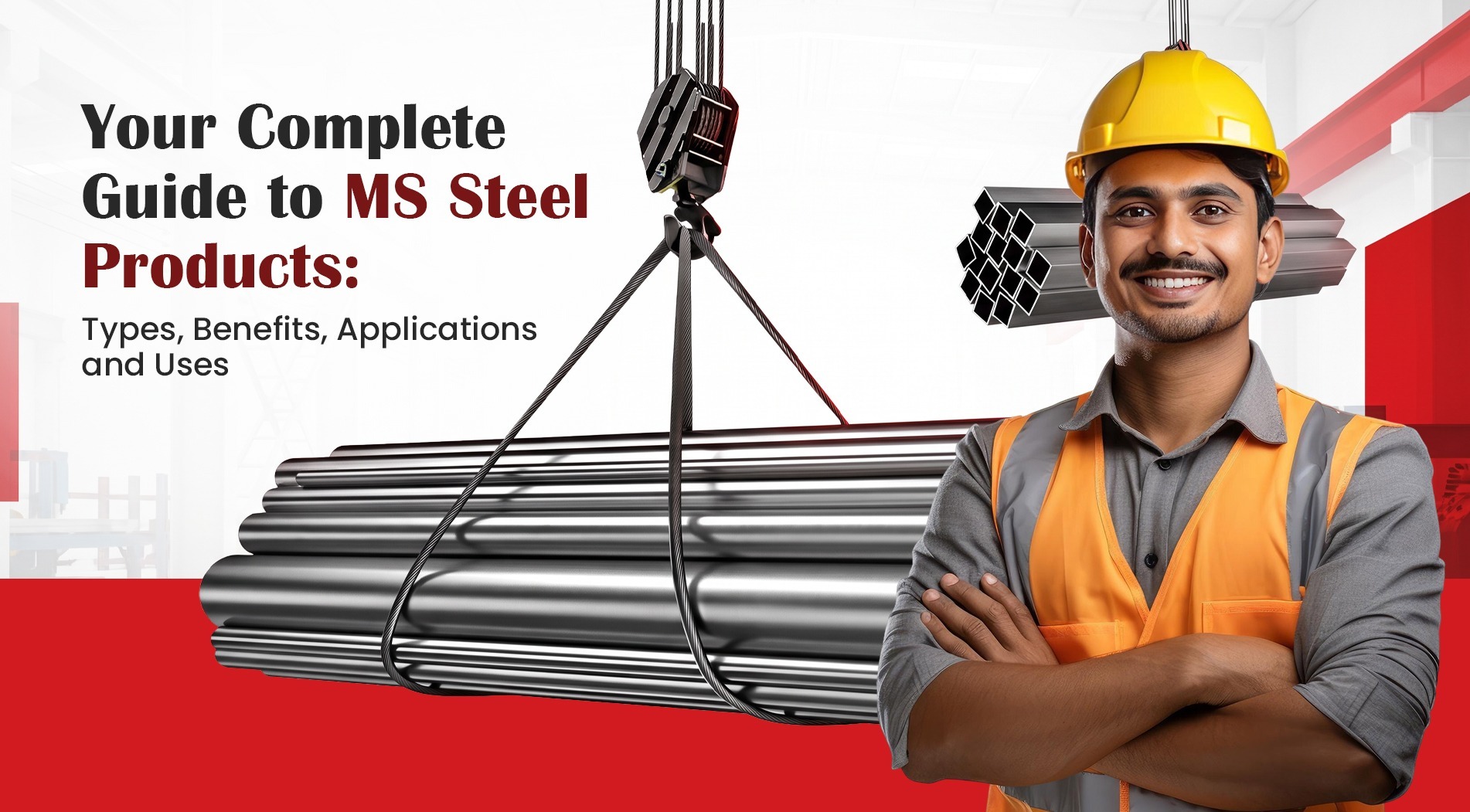
Mild Steel (MS) is one of the most widely used steel materials in construction, manufacturing, engineering, fabrication, and infrastructure projects. Its combination of strength, flexibility, and affordability makes it suitable for a wide range of applications.
From MS sheets and plates to angles, channels, flats, rounds, pipes, and structural sections, MS steel products are available in different forms to meet different project requirements. Understanding the types, benefits, applications, and uses of MS steel can help businesses and contractors select the right material for their projects.
Woodline is a trusted MS steel supplier in Abu Dhabi, UAE, offering high-quality mild steel products for construction, fabrication, and industrial applications. We provide durable and reliable steel materials in various sizes and specifications to meet different project requirements. With a focus on quality, timely delivery, and customer satisfaction, Woodline supports contractors, builders, and businesses across Abu Dhabi.
MS steel stands for Mild Steel, a type of low-carbon steel. Its relatively low carbon content gives it good ductility, and formability. These properties make it easier to cut, bend, drill, weld, and fabricate compared with many higher-carbon steels.
MS steel is commonly used where a practical balance of strength, workability, and cost is required. It can also be painted, galvanized, or given other protective treatments when improved corrosion protection is needed.
MS steel is available in several shapes and product forms. The right option depends on the project’s structural, fabrication, and dimensional requirements.
MS Sheets
MS sheets are flat steel products available in different thicknesses and dimensions. They are commonly used for fabrication, equipment manufacturing, roofing-related applications, enclosures, panels, and general engineering work.
MS Plates
MS plates are thicker flat steel products designed for structural and heavy-duty applications. They are frequently used in industrial fabrication, machinery, tanks, structural components, and heavy engineering projects.
MS Angles
MS angles have an L-shaped cross-section and are available as equal or unequal angles. They are widely used for structural frameworks, supports, bracing, racks, towers, frames, and fabrication projects.
MS Channels
MS channels have a U-shaped or C-shaped profile and are commonly used for structural supports, frames, platforms, machinery structures, and industrial fabrication.
MS Flat Bars
MS flat bars are rectangular steel sections that are useful for brackets, frames, supports, gates, grills, fabrication, and various engineering applications.
MS steel remains popular because it offers several practical advantages.
Excellent Weldability
The low-carbon composition of mild steel generally makes it easy to weld, making it suitable for fabrication and structural work.
Good Ductility and Formability
MS steel can be bent, shaped, cut, and formed into different configurations without easily cracking. This makes it useful for manufacturing and fabrication applications.
Cost-Effective
Compared with many specialized steel grades, mild steel offers an economical material option for large-scale construction, manufacturing, and fabrication projects.
Versatile Applications
MS steel products are available in numerous shapes, sizes, and forms, allowing them to be used across construction, engineering, automotive, manufacturing, and industrial applications.
Easy to Machine
Mild steel can generally be drilled, cut, turned, and machined using standard industrial processes, making it practical for manufacturing and fabrication.
Suitable for Protective Coatings
One limitation of untreated mild steel is its susceptibility to corrosion. However, painting, galvanizing, powder coating, and other protective methods can be used to improve its resistance to environmental exposure.
Applications of MS Steel
MS steel products are used across many industries because of their versatility and ease of fabrication.
Construction Industry
MS steel is widely used in building structures, warehouses, industrial sheds, support frames, staircases, railings, platforms, gates, and other structural and fabrication work.
Manufacturing Industry
Manufacturers use MS steel for machine frames, brackets, equipment components, storage systems, fabrication parts, and various industrial products.
Engineering and Fabrication
MS sheets, plates, bars, angles, and channels are commonly used by fabricators for custom structures, machinery parts, frames, supports, and metalwork.
Final Thoughts
MS steel products are an important part of modern construction, manufacturing, engineering, and fabrication. Their combination of strength, ductility, weldability, versatility, and cost-effectiveness makes them suitable for a wide variety of projects.
Whether you need MS sheets, plates, angles, channels, bars, pipes, or structural sections, understanding the product’s specifications and intended application is essential. Selecting the correct MS steel product can help improve fabrication efficiency, structural performance, and overall project value.
Woodline is a trusted construction material supplier in Abu Dhabi, UAE, providing quality materials for residential, commercial, and industrial projects. We offer reliable products that meet diverse construction requirements, with a focus on durability, quality, and timely delivery. Our experienced team is committed to helping contractors, builders, and businesses find the right materials for their projects.
FAQs
What does MS steel stand for?
MS steel stands for Mild Steel. It is a low-carbon steel commonly used in construction, fabrication, manufacturing, engineering, and various industrial applications.
What are the common MS steel products?
Common MS steel products include sheets, plates, angles, channels, flat bars, round bars, square bars, pipes, tubes, and structural sections.
What are the main benefits of MS steel?
The main benefits include good weldability, ductility, formability, machinability, versatility, and cost-effectiveness.